Dental Crowns Oxnard CA: A Trusted Solution for Tooth Restoration
A damaged tooth changes more than a smile. It changes how a person chews, how confidently they speak, and often how comfortably they get through the day. In practice, I have seen people put off treatment Dental Crowns Oxnard CA for months because the problem starts small, a crack that only twinges when biting into toast, a large filling that seems stable enough, a back tooth that still works if they chew on the other side. Then one hard bite later, the situation becomes urgent.
That is where crowns earn their reputation. A well-made dental crown does not simply cover a tooth. It reinforces what remains, restores shape and function, and often prevents a more serious chain of problems. For patients searching for Dental Crowns Oxnard CA, the real value is not just cosmetic improvement. It is protection, longevity, and the chance to keep a natural tooth in service for many years.
Crowns are one of the most dependable restorations in dentistry when they are recommended for the right reasons and executed carefully. They are not the answer to every dental issue, and they should never be treated as a casual upgrade. But when a tooth is compromised, a crown can be the difference between preservation and eventual loss.
What a dental crown actually does
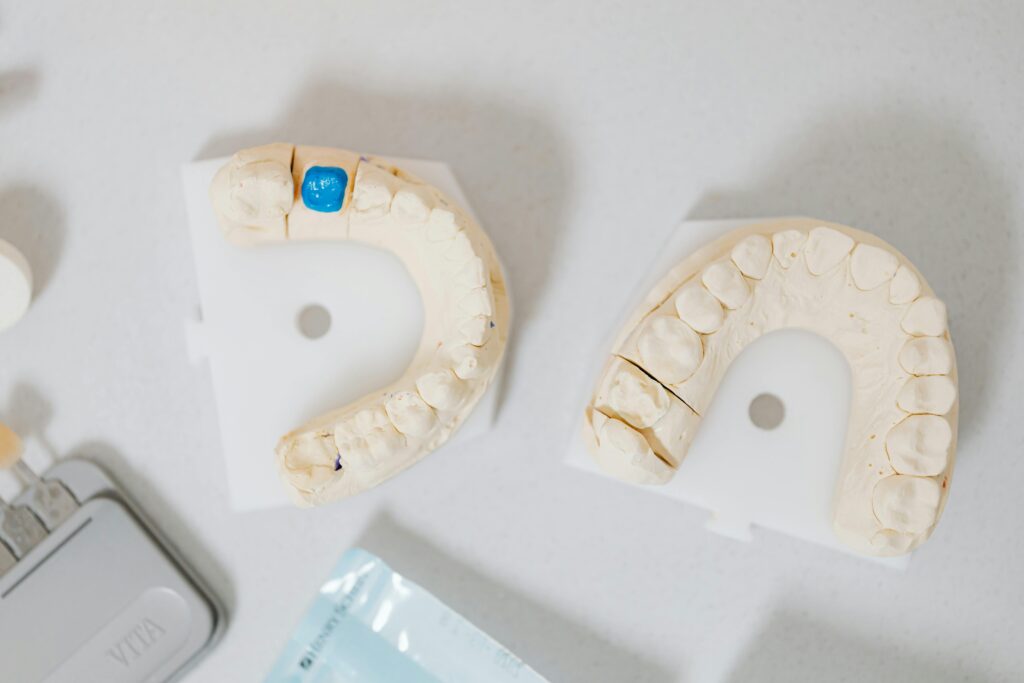
A crown is a custom-made cap that fits over a prepared tooth. Its job is straightforward but important. It restores the tooth’s strength, contour, and appearance while shielding the remaining structure from further breakdown. If the tooth has been weakened by decay, fracture, root canal treatment, or a large failing filling, the crown acts as a protective outer shell.
Many people picture crowns as cosmetic work, and they certainly can improve appearance. Front teeth with deep discoloration or structural damage may look dramatically better after treatment. Still, the main purpose is usually functional. A crown helps a tooth handle chewing forces again, especially molars, which absorb significant pressure every day.
The average patient does not walk in saying, “I think I need a crown.” More often, they say the tooth feels different. Food packs around it. It hurts when chewing. A chunk broke off. A filling fell out for the second time. The language may be casual, but the underlying issue is often structural. Teeth can only be patched so many times before they need more complete reinforcement.
Why crowns are so commonly recommended
Dentists recommend crowns because there is a point where another filling is simply not enough. Fillings replace missing tooth structure, but they do not wrap around and protect the entire tooth. If a tooth has lost too much support, especially around the cusps, a filling may become a temporary fix at best.
A few situations come up again and again in real practice:
- A tooth has a very large filling with little healthy enamel left.
- A crack is present, especially one causing pain on release when biting.
- A root canal has left the tooth more brittle and vulnerable to fracture.
- Significant decay or breakage has altered the tooth’s shape and strength.
- A worn or misshapen tooth needs full coverage to restore function.
These cases may sound routine, but the details matter. A hairline craze line on a front tooth is different from a crack running through a lower molar. A small chip above the gumline is different from decay extending deep under an old crown. Good dentistry depends on judgment, not on a one-size-fits-all formula.
The difference between saving a tooth and chasing repairs
There is a pattern many patients recognize once it is pointed out. A tooth gets a filling. A few years later, that filling is replaced with a bigger one. Then a cusp fractures. Then the tooth needs another repair. Eventually the remaining structure is so compromised that a crown becomes the most sensible path, sometimes after a period of repeated patchwork that could have been avoided.
That does not mean every tooth should be crowned early. Conservative treatment matters. Natural enamel is precious, and preserving it should always guide decision-making. But waiting too long can also work against the tooth. When a weakened cusp breaks below the gumline, what could have been a straightforward crown may become a root canal, crown lengthening procedure, or extraction.
I have seen both ends of the spectrum. Some patients are understandably cautious and want to avoid extensive work, which is reasonable. Others have spent years repeatedly fixing the same tooth in small increments, only to end up with a more complicated and costly problem. The best treatment plan usually sits between those extremes. It weighs the tooth’s current condition, the bite, the patient’s habits, and the likely long-term outcome.
Materials matter, but not in the way people often think
Patients often ask which crown material is “best.” That sounds simple, but the honest answer depends on the tooth, the bite, and the cosmetic expectations. There is no single material that wins in every category.
Porcelain and ceramic crowns are popular because they can look very natural, especially in visible areas. Modern ceramics have improved substantially, and for many front and premolar teeth they offer an excellent balance of aesthetics and strength. On back teeth, certain high-strength ceramics can also perform very well, provided the preparation and bite are managed properly.
Porcelain fused to metal crowns have been used for decades and still have value in some cases. They can be durable and reliable, although some patients dislike the possibility of a dark line near the gum over time. Full metal crowns, including gold-based alloys, remain among the most durable options for certain molars. They are less common now mostly for cosmetic reasons, not because they stopped working.
In an area like Oxnard, where patients range from image-conscious professionals to retirees seeking practical longevity, preferences vary widely. One patient may prioritize a crown that blends seamlessly in photos. Another may say, quite sensibly, that no one will ever see the back molar and they just want the restoration that will hold up best. Both perspectives are valid.
A good dentist will explain the trade-offs clearly. Ceramic may offer excellent esthetics but can require enough thickness to support the material. Metal may preserve more tooth in some cases and wear predictably, but it does not match natural enamel. The best choice is specific to the tooth in front of you.
What the process usually looks like
The crown procedure is often more comfortable and less dramatic than people expect. Most traditional crowns are completed in two visits, though some offices can provide same-day crowns with digital scanning and in-office milling. The basic goal remains the same: reshape the tooth enough to create space for the crown, capture an accurate impression or scan, and place a restoration that fits precisely.
At the first visit, the tooth is numbed and prepared. Existing decay, unsupported enamel, and failing restorative material are removed. If too little tooth structure remains, the dentist may build up the core so the crown has a stable foundation. Once the shape is refined, an impression or digital scan is taken. A temporary crown is then placed while the final crown is being made.
Temporary crowns deserve more respect than they get. They are not as strong or precise as the final version, but they protect the prepared tooth, maintain spacing, and help the patient function in the interim. When a temporary comes off repeatedly, it is often a sign the tooth’s shape, bite, or retention is challenging, not that the patient did anything careless.
At the second visit, the temporary crown is removed and the permanent one is tried in. The dentist checks fit, contact with neighboring teeth, margin integrity, bite, and appearance. If everything looks and feels right, the crown is cemented or bonded into place.
Same-day crowns can shorten this timeline, and for the right case they are a genuine convenience. Still, they are not automatically superior. Some situations benefit from the layered craftsmanship of a skilled dental lab, especially when esthetics are demanding or the case is complex.
When Dental Crowns Oxnard CA becomes a local search with real urgency
People usually search for Dental Crowns Oxnard CA when the issue stops being theoretical. A crown has fallen off before a weekend. A molar cracked during dinner. A front tooth has broken and work starts Monday morning. These moments feel sudden, but the underlying problem often built quietly over time.
Local access matters more than people realize. Follow-up can be important after crown treatment, especially if bite adjustments are needed or a temporary comes loose. Working with a dental office close to home or work can make a real difference. So can choosing a practice that explains options clearly, takes time with diagnostics, and does not rush into treatment without showing why it is needed.
Oxnard patients also bring a wide range of oral health histories. Some have older dentistry done decades ago and now need replacement work. Others have grinding habits, heavy bite forces, or acid wear that place extra stress on teeth. Coastal communities often include active adults who want durable treatment that will not interrupt busy routines. Those factors shape crown planning more than many people realize.
A crown should fit your bite, not just your tooth
One of the least appreciated parts of crown success is bite design. Patients usually notice how a crown looks and whether it feels high, but the deeper issue is how that tooth functions in the whole chewing system. A crown that fits beautifully at rest can still fail if the bite loads it poorly.
This is especially true for patients who clench or grind. Bruxism can fracture porcelain, loosen cement, create soreness in the ligament around the tooth, and accelerate wear on opposing teeth. If someone has flattened chewing surfaces, jaw tension, or a history of broken restorations, the crown has to be planned with those forces in mind.
Sometimes that means adjusting the shape more carefully. Sometimes it means choosing a stronger material. Often it means discussing a night guard after treatment. Patients occasionally resist that part because it feels like an add-on, but for a heavy grinder, a night guard can extend the life of the crown significantly.
I have seen beautifully made crowns fail early because the bite was never fully addressed. I have also seen modest-looking crowns last for many years because they were planned around the patient’s real chewing pattern. Dentistry lives in these practical details.
Cost, value, and the question patients really ask
When people ask how much a crown costs, they are usually asking something broader: Is this worth it, and why does it cost more than a filling?
The answer lies in the complexity. A crown involves diagnosis, tooth preparation, impressions or digital scans, temporary fabrication, laboratory work or in-office milling, material costs, fit verification, bite adjustment, and final cementation. It is a custom restoration, not an off-the-shelf product.
Fees vary by region, office, and material, so exact numbers should be verified locally. Insurance may help, but many plans cover only a portion, and annual maximums often lag behind current treatment costs. That can be frustrating for patients who have paid premiums for years. It is also one reason treatment timing matters. Delaying a needed crown can lead to a more expensive problem later.
The better way to think about value is longevity and risk reduction. If a crown preserves a strategic tooth, restores comfortable chewing, and prevents fracture or extraction, it often proves to be money well spent. That is especially true if the alternative is a cycle of repeated repairs followed by more complex treatment.
Common concerns patients raise, and what usually helps
Fear around crowns often comes from stories told without context. Someone says their crown “failed” after two years. Another says the procedure was painful. Another says the crown never felt right. Those experiences are real, but they do not tell the whole story.
A crown can fail for many reasons. Decay may develop at the margin if home care is poor. The underlying tooth may crack. Cement may wash out. Bite forces may be excessive. The original diagnosis may have underestimated the extent of structural damage. Sometimes the restoration is the problem. Sometimes the tooth itself had a limited prognosis from the beginning.
As for discomfort, most crown procedures are very manageable. The anesthetic phase is usually no worse than standard restorative work, and modern techniques have improved comfort considerably. Mild soreness afterward can happen, especially around the gums or if the tooth was already inflamed, but severe pain is not the norm. If it occurs, it warrants evaluation.
The “never felt right” complaint is usually about bite. Even a tiny discrepancy can feel exaggerated because the ligament around a tooth is remarkably sensitive. The good news is that bite adjustments are often simple when addressed promptly. Patients should not assume they have to “get used to it” indefinitely.
Caring for a crown so it lasts
A crown is strong, but it is not invincible. The tooth underneath still needs protection from decay, and the surrounding gum tissue still needs daily care. Crowns fail less often from dramatic events than from ordinary neglect repeated over time.
A few habits make a measurable difference:
- Brush thoroughly along the gumline, where plaque tends to collect around crown margins.
- Floss daily, using a gentle motion that cleans the sides of the tooth without snapping the floss down.
- Avoid using teeth as tools for opening packages or biting very hard non-food objects.
- Wear a night guard if clenching or grinding has been diagnosed.
- Keep regular exams and cleanings so small issues are caught early.
Patients are sometimes surprised to hear that crowned teeth can still get cavities. They can, especially at the edge where the crown meets the natural tooth. Good crown work creates a clean margin, but home care determines what happens there over the years.
When a crown may not be the right answer
Crowns are dependable, but they are not appropriate in every situation. If a tooth is fractured too far below the gumline, has severe mobility from advanced periodontal disease, or has insufficient remaining structure even after buildup, the prognosis may be poor. In those cases, placing a crown can amount to expensive optimism.
This is where honest treatment planning matters. Patients deserve a clear explanation if a tooth might not be savable or if the outcome is guarded. There are times when extraction and replacement with an implant or bridge is the more realistic long-term option. That conversation is never easy, particularly when the tooth has a long history and the patient wants to keep it. Still, avoiding difficult truths helps no one.
There are also cases where a more conservative treatment works. Onlays, bonding, or replacing a moderate-sized filling may be sufficient if enough healthy tooth remains. A thoughtful dentist should not jump to a crown simply because it is available.
The role of aesthetics, especially for front teeth
When a crown is placed on a front tooth, the standard changes. Strength still matters, but so do color, translucency, texture, and how the crown interacts with the lips and surrounding teeth in natural light. This is where communication becomes critical.
Shade guides help, but they are only part of the story. The neighboring teeth may have subtle gray, amber, or translucent effects that a flat, opaque crown will miss. Some patients want a perfectly bright, uniform look. Others want a crown that disappears into a smile with tiny imperfections preserved. Neither goal is wrong, but the dentist and lab need to know which target they are aiming for.
Even gum contour matters. A technically sound crown can still look unnatural if the tissue line is uneven or if the emergence profile is overbuilt. These details separate acceptable work from excellent work.
Choosing a provider with judgment, not just equipment
Digital scanners, milling units, and advanced ceramics have improved crown dentistry. They are useful tools. But tools do not replace clinical judgment. The quality of a crown still depends heavily on diagnosis, tooth preparation, margin design, bite analysis, and careful follow-through.
For patients looking into Dental Crowns Oxnard CA, it makes sense to ask practical questions. How does the office decide whether a crown is necessary? Do they explain material options in plain language? What happens if the bite feels off afterward? How do they handle temporaries, emergencies, and follow-up?
Those questions reveal more than marketing language ever will. A trustworthy office does not rush answers. It shows where the tooth is weakened, explains the risks of waiting, and lays out alternatives honestly. Sometimes the most reassuring thing a dentist can say is, “A crown may be the best choice, but let me show you why.”
That combination of transparency and skill is what patients remember. Not the technical brand name of the ceramic, not the sales pitch, not the glossy before-and-after photos. They remember that the tooth stopped hurting, the crown felt natural, and chewing became uneventful again. In dentistry, that kind of uneventful is often a very good sign.
Omni Dental Specialty
1690 E Gonzales Rd
Oxnard, CA 93036, United States
Phone: +1 805-410-9603
FAQ About Dental Crowns Oxnard CA
What is the average cost of a crown in California?
The fee depends on the crown material, tooth condition and any additional treatment. Request an itemized estimate from Omni Dental Specialty after an examination, and confirm insurance benefits before scheduling.
How long do dental crowns last?
Longevity varies with the material, fit, oral hygiene and biting habits. Regular dental reviews help identify wear, damage or decay. A crown does not need replacement solely because it reaches a particular age.
Do teeth go bad under crowns?
Decay can develop in the remaining natural tooth, particularly near the crown margin. Brush with fluoride toothpaste, clean between teeth daily and keep dental appointments. Report new pain or looseness promptly.
Which crown is best for bruxism?
No material suits everyone. Your dentist assesses grinding, tooth position, bite forces and appearance before recommending a crown. A protective appliance may also be recommended to manage stress on the restoration.